

Advancing synergies in European wind research
Fri 07 Nov 2025Organised by the DTWO project, the Bridging Workshop held on 5 November gathered several European projects in the field of wind energy to introduce their work and discuss shared challenges, opportunities, and future directions for collaboration.
It’s all about integration.
Not only integration of components, turbines, and data, but also knowledge, skills, and experience.
The DTWO Bridging Workshop was a moment of true convergence among several European projects in the field of wind energy. FLOW, MERIDIONAL, AIRE, TWAIN, WIMBY, WINDTWIN, and DIGIWIND participated in the first joint workshop organised by DTWO: this offered an opportunity to reflect on shared goals and challenges, and on the value of progressing together.
Major challenges like combining data, variables, and diverse infrastructures to improve predictions of turbine performance, energy generation, cost-benefit optimisation also revolve around integration.
For instance, projects like AIRE study how factors such as precipitation and dust affect wind turbines, while projects like MERIDIONAL develop an open-source toolchain and integrated data hub to accurately simulate performance and loads across onshore, offshore, and airborne wind energy systems, supporting better design and operation decisions.
Other initiatives, such as WIMBY, support the adoption and social acceptance of wind power across the European Union, helping to integrate wind turbines not only into our landscapes but also into the collective imagination.
This shared commitment is also reflected in initiatives such as WindLab – Knowledge and Data Hub.The three EU-funded wind power projects – MERIDIONAL, AIRE, and FLOW – have joined forces to launch this ambitious collaborative platform, which aims to consolidate the latest scientific research and provide open-access data to accelerate innovation in wind energy systems. WindLab serves as a centralised repository and interface where the consortia share datasets and insights from onshore, offshore, and airborne wind systems. By making experimental and simulation data openly available, it fosters collaboration and knowledge transfer across projects. In doing so, WindLab enhances system efficiency, strengthens predictive capabilities, and supports the development of next-generation wind technologies.
Xiaoli Guo Larsen, coordinator of the DTWO project, closed the workshop by aiming for the development of further collaborations: “Some projects will end in one year, others in a year and a half, or two, but I truly hope we’ll keep spreading and sharing our research outcomes together. Let’s make this webinar the foundation of a fruitful collaboration for the future!”
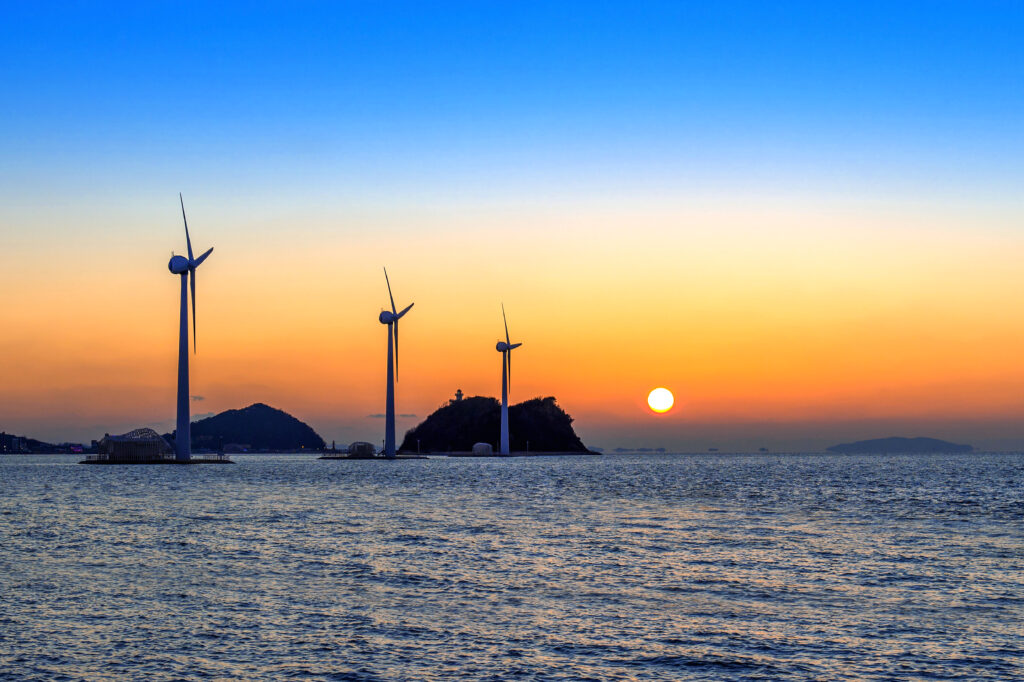
Credits for the image to tawatchai07, Freepik.


Other updates
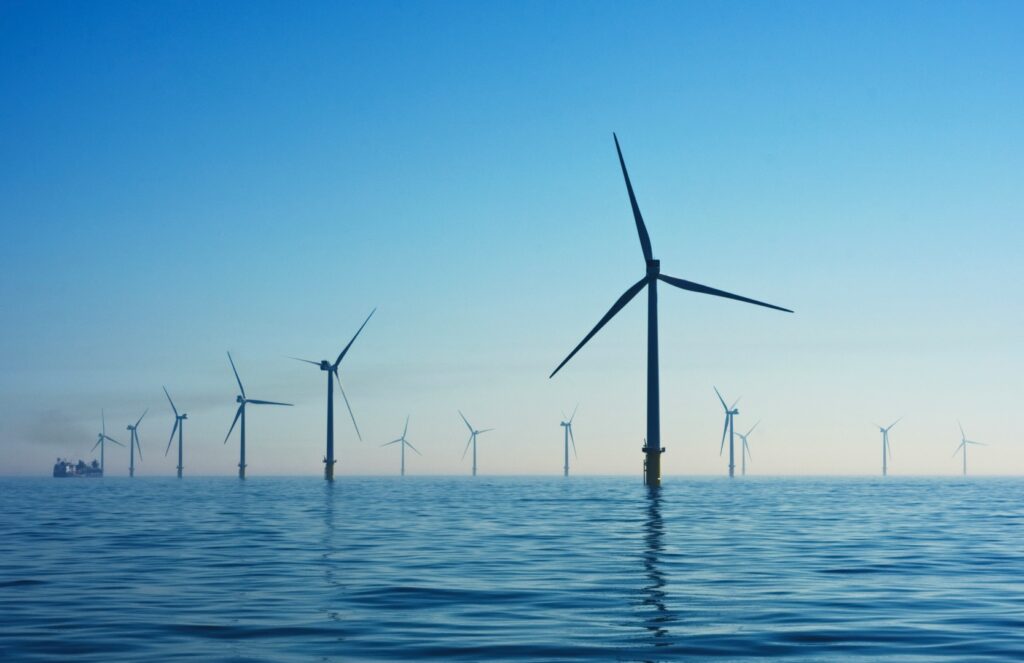
Wind of change: Europe’s race to stay ahead
A new podcast series developed by the Horizon Europe projects DTWO, TAILWIND and SUDOCO explores the challenges, innovations and opportunities shaping the future of European wind energy.
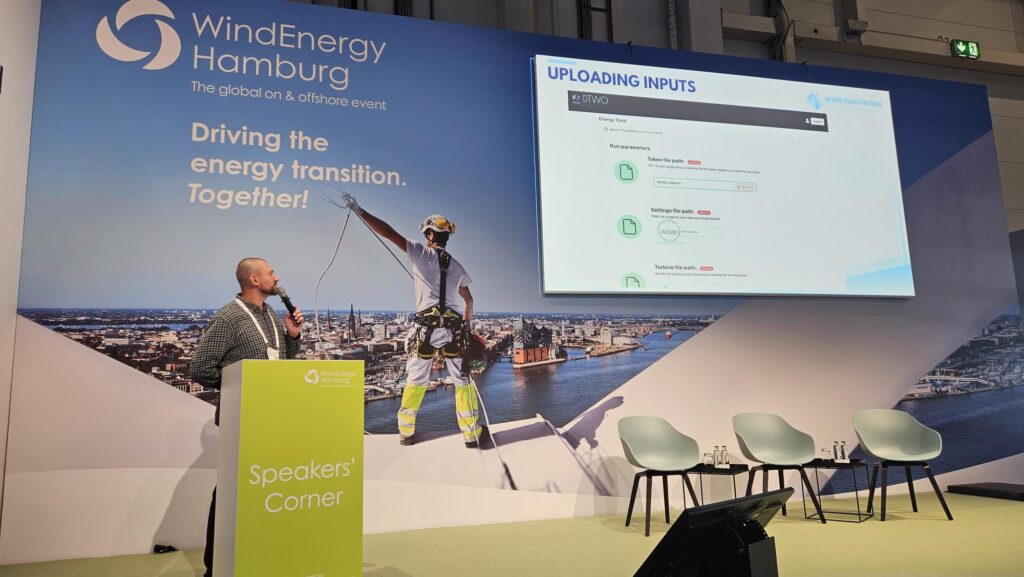
DTWO at WindEnergy Hamburg 2026: connecting innovation across the wind energy sector
The DTWO project joined the international wind energy community at WindEnergy Hamburg 2026, held from 22 to 25 September in Hamburg, Germany.
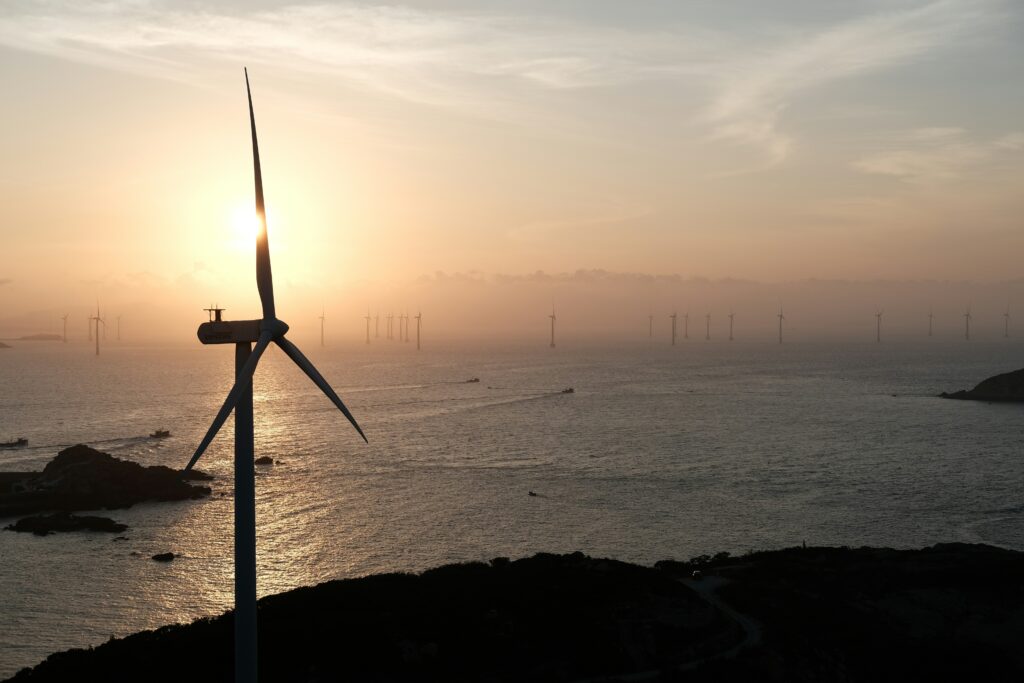
DTWO joins the new Wind Innovation Cluster Hub
DTWO has joined forces with 17 other Horizon Europe projects to launch the Wind Innovation Cluster Hub, a new collaborative initiative designed to strengthen cooperation and accelerate research and innovation across the European wind energy sector.