

Technologies
To orchestrate the many digital assets, the digital twin federated software architecture is built to integrate five modules. The software architecture will be designed to enable prescriptive capabilities, satisfying transversal IT necessities of accessibility, computing, security, management, and monitoring.
DTWO integration
Modules







Technical Integration

Earth
Weather
It will include advanced climate and weather modelling specifically designed for offshore wind power. It will optimize the modelling of atmospheric, wave, and ocean conditions that are crucial for planning and operating offshore wind farms. The module will also help quantify uncertainties in forecasting and historical data by using ensemble modelling techniques. Additionally, it will capture and simulate extreme weather events, ensuring better preparedness and more efficient operations in challenging offshore environments. It will work with open and standardized weather and environmental data for European seas.

Wakes
Inter - and intra - farm
Wake interactions are the effects that the flow of air behind a wind turbine has on other turbines nearby. When wind passes through a turbine, it slows down and becomes more turbulent, reducing the wind speed for downstream turbines. These interactions can impact the efficiency and energy output of the entire wind farm. Accurate modelling of wake interactions in a digital twin is crucial for optimizing turbine placement, reducing losses, and improving overall performance for both bottom-fixed and floating turbines.

Siting
Resource, design and environment
It will focus on creating an efficient model that helps evaluate wind energy potential and energy production for offshore wind farms. It will optimize the design and selection of wind turbines for each site to ensure the best performance. The module will also use specialized tools and data to assess the cost-effectiveness of wind farm locations based on local environmental conditions.

Turbine
Health state and reliability predictions
It will help to check how wind turbines are doing and how their condition affects costs and earnings, measure the risks and uncertainties related to downtime for maintenance and predict how much longer wind turbine parts will last. This will support planning, Operations and maintenance related downtime and costs, loss of revenue, availability and effect on fatigue-related degradation.
Grids
Interconnectivities and energy systems
It will create multiple tools to support both long-term investment planning and day-to-day operations of offshore wind farms. It will also forecast future energy scenarios and energy prices for interconnected energy systems, helping plan for changes in the market. Additionally, the module will improve the integration of offshore wind farms with renewable energy storage systems, ensuring a more efficient and reliable energy supply.
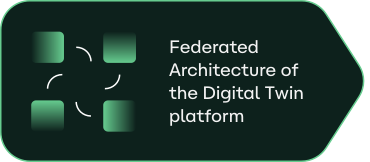
Federated architecture of the Digital Twins platform
It will be developed using a specialized design approach focused on key features, and it will offer an open-source, flexible framework that can work with different types of modules, including those for Earth systems, wind wakes, power grids, and turbines.

Scientific integration
It will combine and test the Federated platform with existing scientific models to ensure they work seamlessly together. This will enhance the system's accuracy, precision, and ability to measure and manage uncertainties.

Final DTWO platform architecture and integration
It will integrate, test, and refine the alpha and beta versions of the DTWO system, ultimately creating a fully functional platform tailored for wind asset owners. This platform will help them better manage and optimize their offshore wind assets.
Other updates
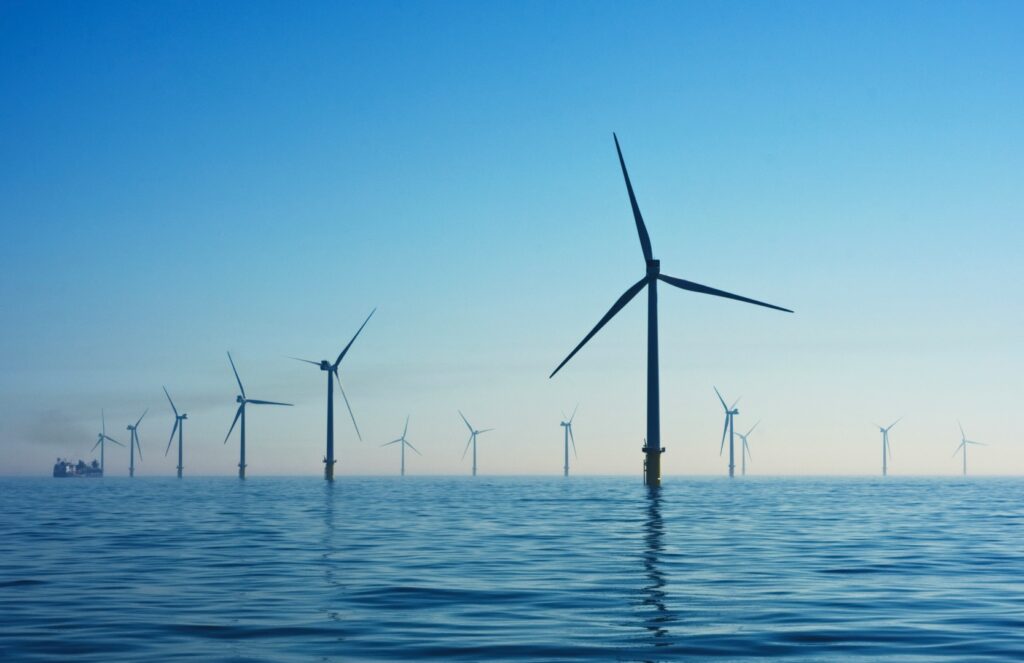
Wind of change: Europe’s race to stay ahead
A new podcast series developed by the Horizon Europe projects DTWO, TAILWIND and SUDOCO explores the challenges, innovations and opportunities shaping the future of European wind energy.
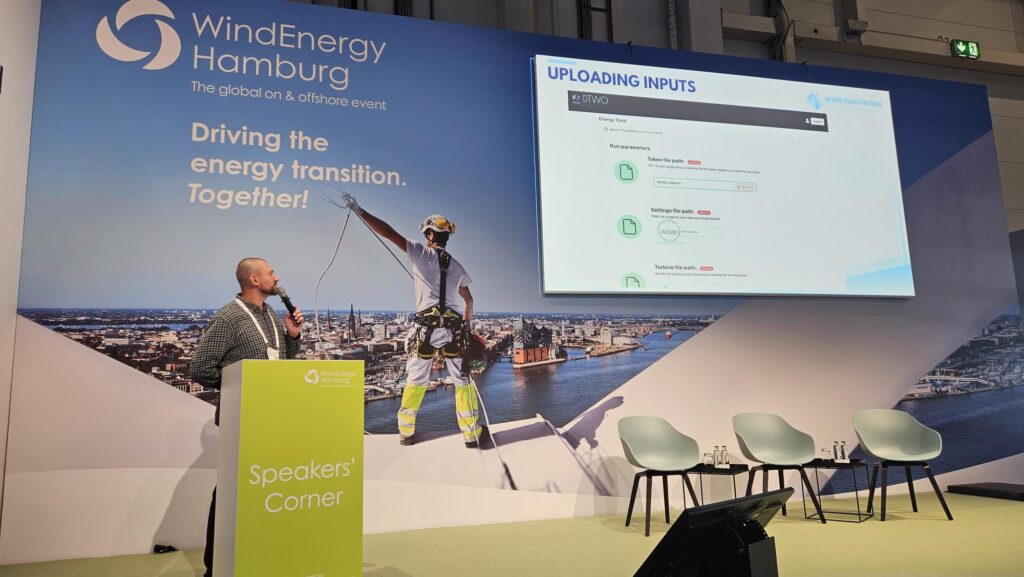
DTWO at WindEnergy Hamburg 2026: connecting innovation across the wind energy sector
The DTWO project joined the international wind energy community at WindEnergy Hamburg 2026, held from 22 to 25 September in Hamburg, Germany.
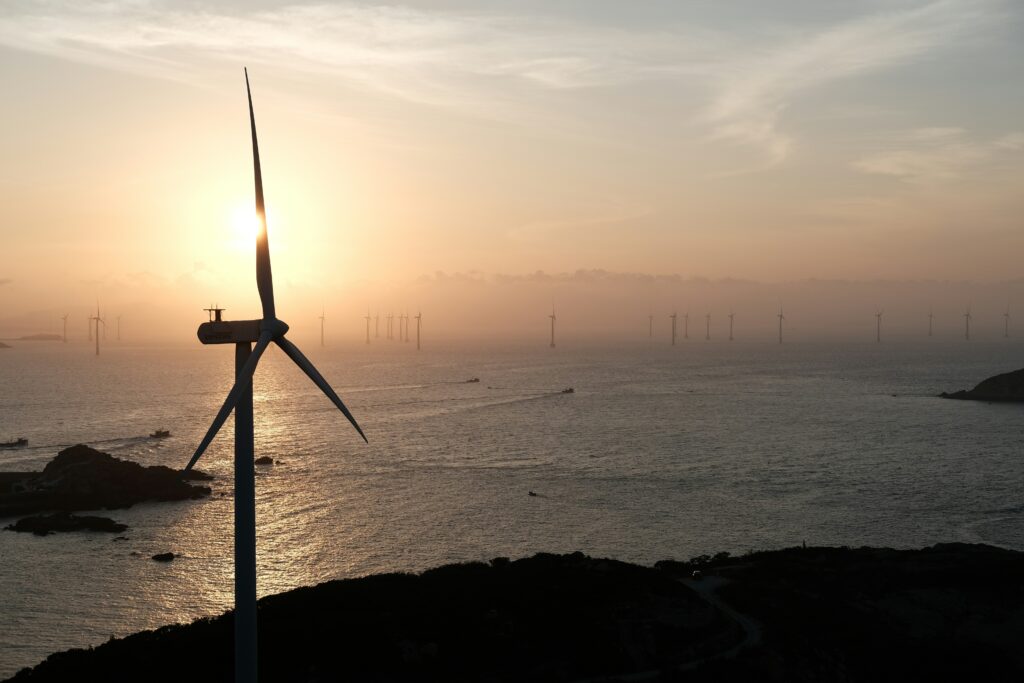
DTWO joins the new Wind Innovation Cluster Hub
DTWO has joined forces with 17 other Horizon Europe projects to launch the Wind Innovation Cluster Hub, a new collaborative initiative designed to strengthen cooperation and accelerate research and innovation across the European wind energy sector.