


DTWO Bridging Workshop
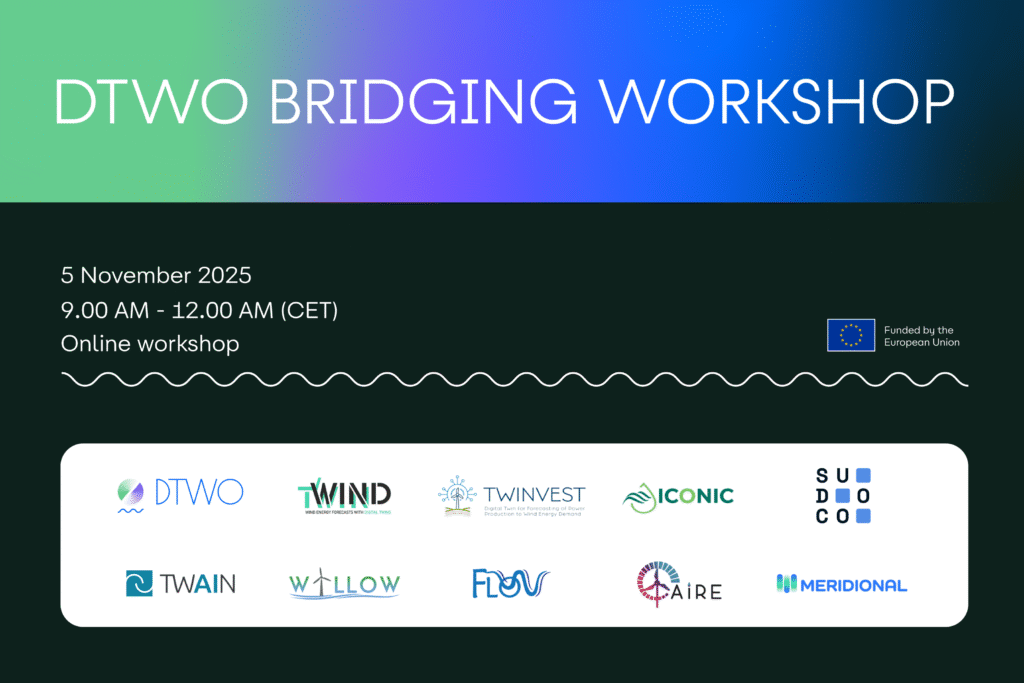
Thu 30 Oct 2025As part of the Horizon Europe BRIDGE initiative, DTWO is aiming to strengthen connections across sister projects and foster collaboration on shared scientific and technical challenges.
Together with FLOW, MERIDIONAL, AIRE, TWAIN, WIMBY, WINDTWIN, TWINVEST, and EUROWINDWAKES, DTWO is organising a joint workshop focused on knowledge exchange, exploitation of project results, and strategies to maximise impact.
Each of these projects orchestrates a large number of models and software tools on digital platforms, often with varying degrees of user accessibility. The projects also manage and disseminate vast amounts of data, a key strength, but also a shared challenge.
Through this workshop, we aim to connect our experiences and solutions, building a stronger network that supports and amplifies one another. By doing so, we can enhance the visibility and long-term sustainability of our collective results, ensuring that our cluster of projects continues to thrive beyond their individual lifetimes.
📅 Date: 5 November 2025
🕘 Time: 09:00 – 12:00 CET
📍 Online Workshop
Discover the agenda of the workshop!


Other updates
Wind of change: Europe’s race to stay ahead
A new podcast series developed by the Horizon Europe projects DTWO, TAILWIND and SUDOCO explores the challenges, innovations and opportunities shaping the future of European wind energy.
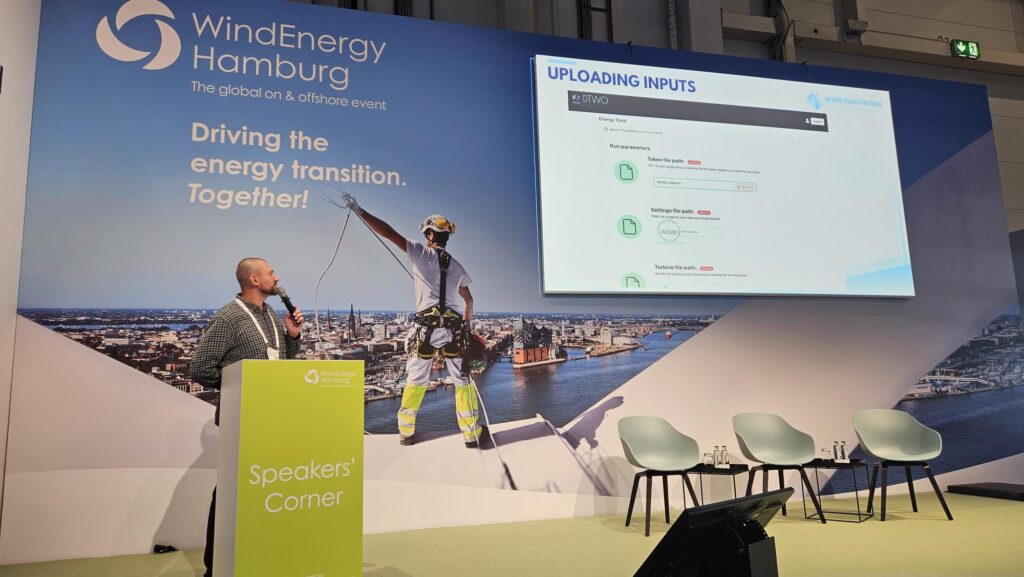
DTWO at WindEnergy Hamburg 2026: connecting innovation across the wind energy sector
The DTWO project joined the international wind energy community at WindEnergy Hamburg 2026, held from 22 to 25 September in Hamburg, Germany.
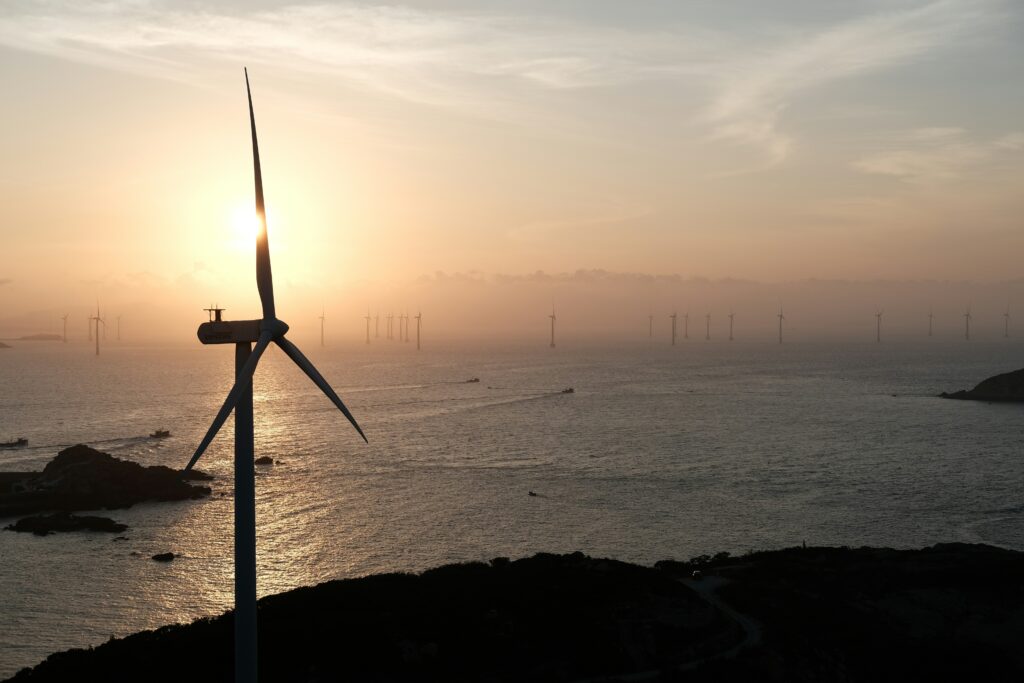
DTWO joins the new Wind Innovation Cluster Hub
DTWO has joined forces with 17 other Horizon Europe projects to launch the Wind Innovation Cluster Hub, a new collaborative initiative designed to strengthen cooperation and accelerate research and innovation across the European wind energy sector.