



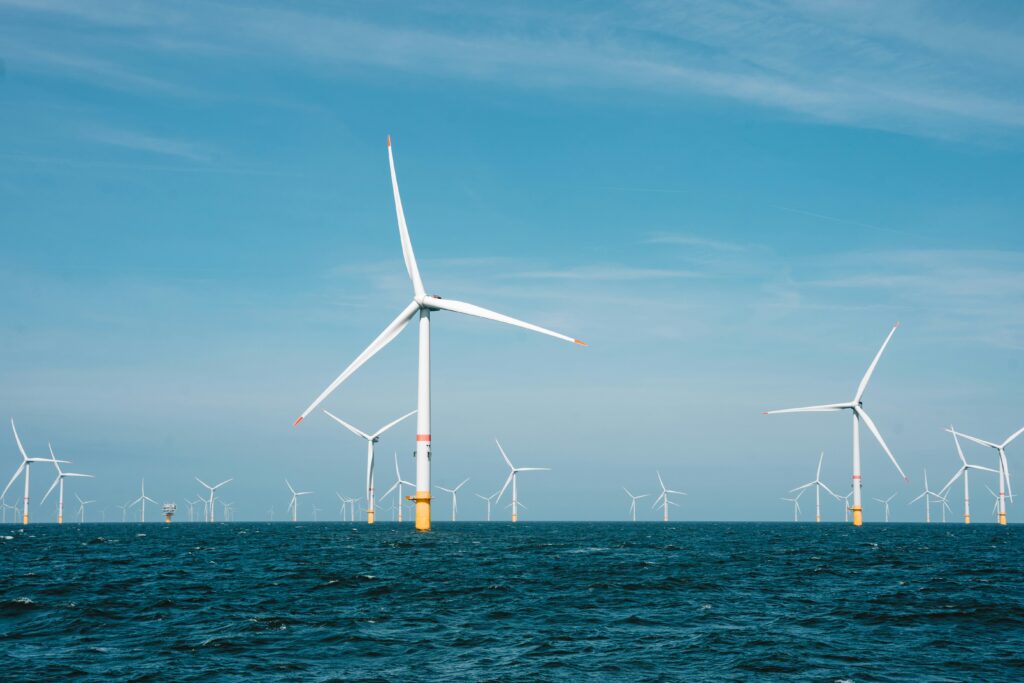
The second episode of the “Wind of change” podcast explores the growing challenges facing offshore wind
Tue 24 Nov 2026The second episode of the DTWO, TAILWIND and SUDOCO podcast series examines how research can protect offshore wind farms, from digital systems to operations at sea.
Located kilometres from the coast, offshore wind farms rely on advanced technologies and complex digital networks to operate reliably for decades in demanding conditions. Maintaining their connection to power grids and the digital systems that monitor and control operations is essential to to sustaining electricity supply.
As turbines and offshore wind farms grow larger and play an increasingly important role in Europe’s energy transition, greater digital connectivity exposes these systems to cybersecurity threats. Disruptions can have wider consequences for electricity supply, making protection against cyberattacks and long-term resilience critical priorities.
The second chapter of the podcast series produced by DTWO, TAILWIND and SUDOCO, as part of ICONS Innovation Stories, follows the opening discussion on Europe’s barriers to faster deployment and turns to the technological challenges facing the sector. The episode “Blowing against offshore wind: from cyberattacks to growing pains” hosted by Diego Giuliani brings new voices from the sector, with Rebecca Barthelmie of Cornell University, Riccardo Ferrari of Delft University of Technology and Xiaoli G. Larsén of DTU, coordinator of DTWO.
For Rebecca Barthelmie, understanding these challenges starts with recognising how much offshore wind has already achieved. Today’s wind farms are large power systems, built to operate in harsh marine environments over lifetimes of around 30 years. Further expansion means building on that engineering experience while continuing to improve performance and affordability.
“It’s a mature technology, but it’s still evolving,” she explains. “As turbines reach higher into the atmosphere and development moves into deeper waters, further observations and research are needed to understand the conditions these machines encounter. The transition towards floating offshore wind adds new demands to that ongoing development”
Reliability also depends on how turbines are operated. The discussion explores how advanced control systems can account for the fatigue that builds up during operation, helping operators balance electricity production today with the longer-term condition and lifetime of their machines.
Alongside these physical challenges, the episode examines the cybersecurity of offshore wind as critical energy infrastructure. Riccardo Ferrari discusses SUDOCO’s ongoing work to build cybersecurity into the Control Room of the Future from the outset, including research into detecting attacks that manipulate turbine control systems. Xiaoli G. Larsén explains how DTWO addresses security within its digital twin framework, from protecting data to verifying users and managing access. Across these topics, collaboration emerges as essential to making research useful in practice. Sharing knowledge and testing tools can help identify vulnerabilities, improve understanding of offshore conditions and support more reliable systems.
Listen to the second episode of Wind of change: Europe’s race to stay ahead, and stay tuned for the final conversation in the series.
Photo by Jesse De Meulenaere su Unsplash


Other updates
The second episode of the “Wind of change” podcast explores the growing challenges facing offshore wind
The second episode of the DTWO, TAILWIND and SUDOCO podcast series examines how research can protect offshore wind farms, from digital systems to operations at sea.
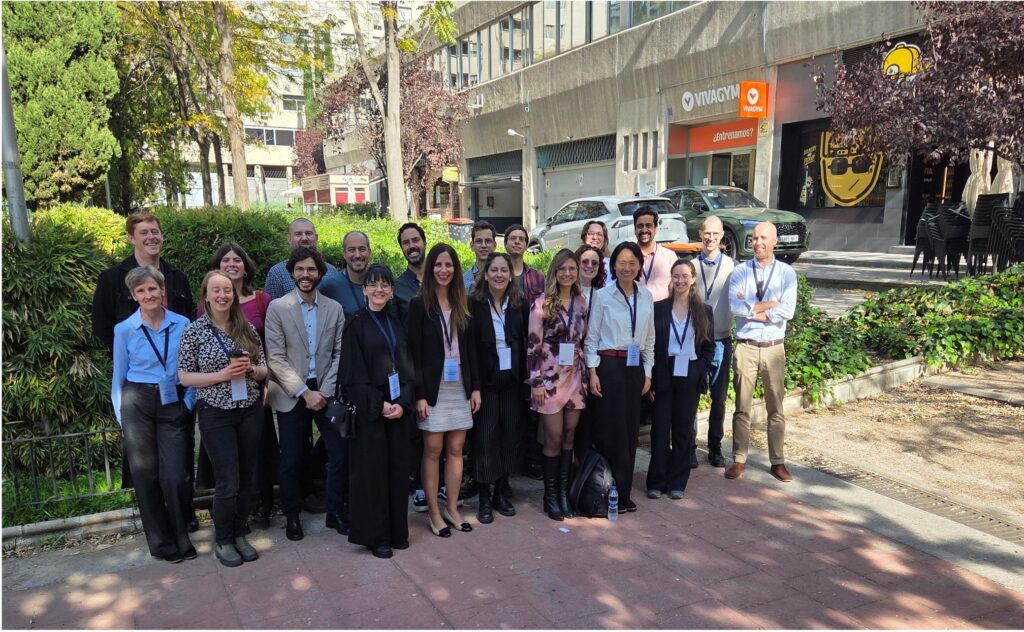
DTWO partners meet in Madrid to advance digital twin solutions for offshore wind energy
On 29 and 30 October 2026, the DTWO consortium gathered in Madrid, Spain, for its fifth General Assembly, hosted by project partner RDT. The two-day meeting brought together researchers, technology developers and industry representatives to review the project’s achievements, discuss ongoing developments and coordinate the next steps.
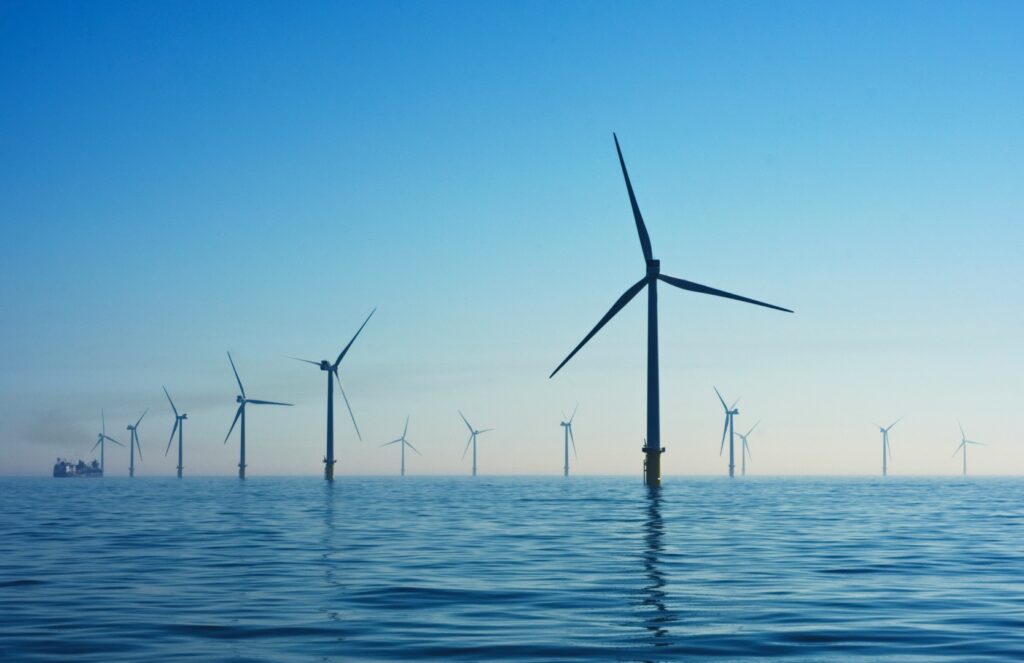
Wind of change: Europe’s race to stay ahead
A new podcast series developed by the Horizon Europe projects DTWO, TAILWIND and SUDOCO explores the challenges, innovations and opportunities shaping the future of European wind energy.