



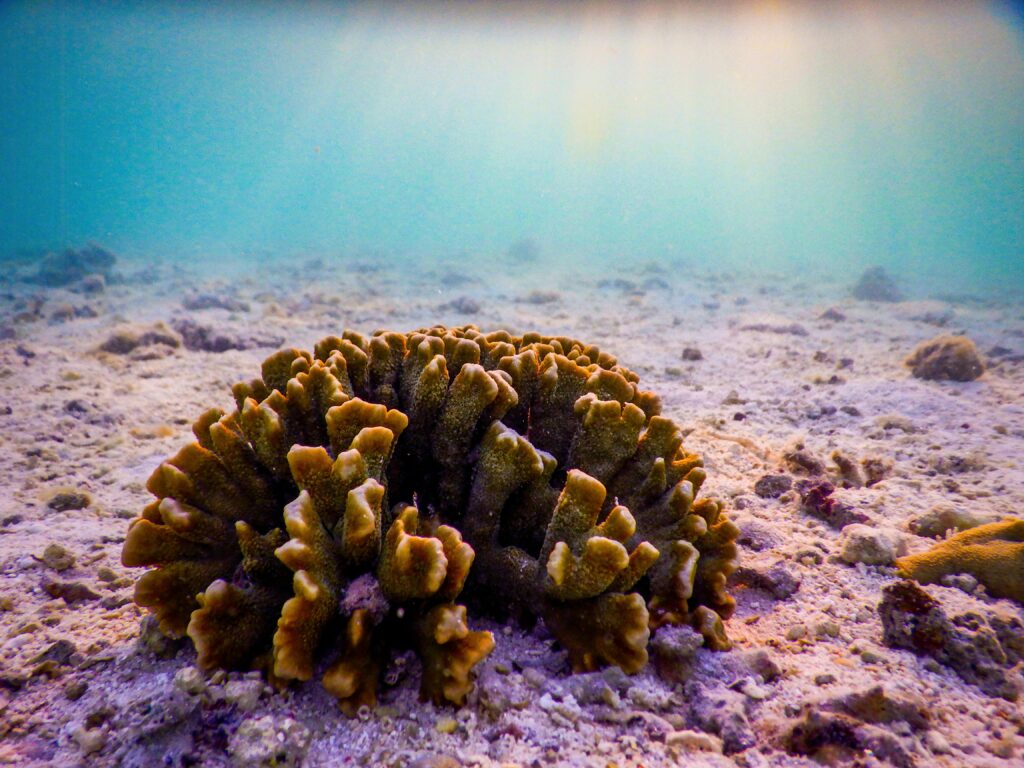
DHI at 2025 UN Ocean Conference
Tue 20 May 2025The event, co-hosted by France and Costa Rica, will take place from June 9 to 13 in the setting of Nice. DHI, partner in the DTWO project, will participate in the event with a session on coastal challenges.
At its third edition, the conference brings the topic “Accelerating action and mobilizing all actors to conserve and sustainably use the ocean”. The Conference aims to support further and urgent action to conserve and deploy in a sustainable way the oceans, seas and the marine resources for responsible development, pursuing the Sustainable Development Goal “Conserve and sustainably use the oceans seas and marine resources for sustainable development”.
Among the various topics that are going to be faced, such as sea-level rise, plastic pollution and fishery management, DHI will deliver a presentation on Coastal Challenges: a range of environmental, social, and economic issues affecting the planet’s coastal areas.
Discover more on the Conference website!
– Credits for the photo by Elliot Connor, Pexels.


Other updates
Wind of change: Europe’s race to stay ahead
A new podcast series developed by the Horizon Europe projects DTWO, TAILWIND and SUDOCO explores the challenges, innovations and opportunities shaping the future of European wind energy.
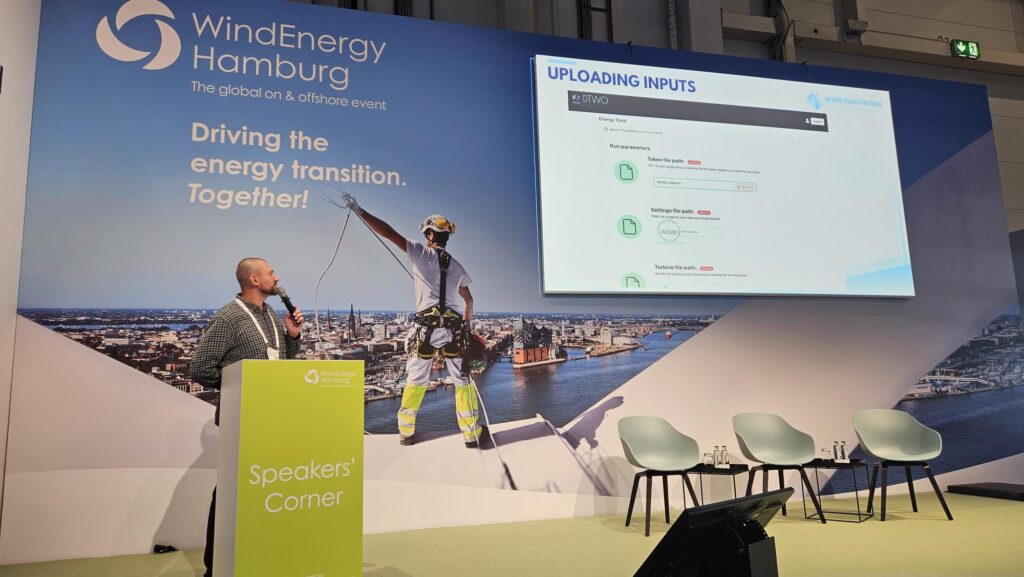
DTWO at WindEnergy Hamburg 2026: connecting innovation across the wind energy sector
The DTWO project joined the international wind energy community at WindEnergy Hamburg 2026, held from 22 to 25 September in Hamburg, Germany.
DTWO joins the new Wind Innovation Cluster Hub
DTWO has joined forces with 17 other Horizon Europe projects to launch the Wind Innovation Cluster Hub, a new collaborative initiative designed to strengthen cooperation and accelerate research and innovation across the European wind energy sector.